


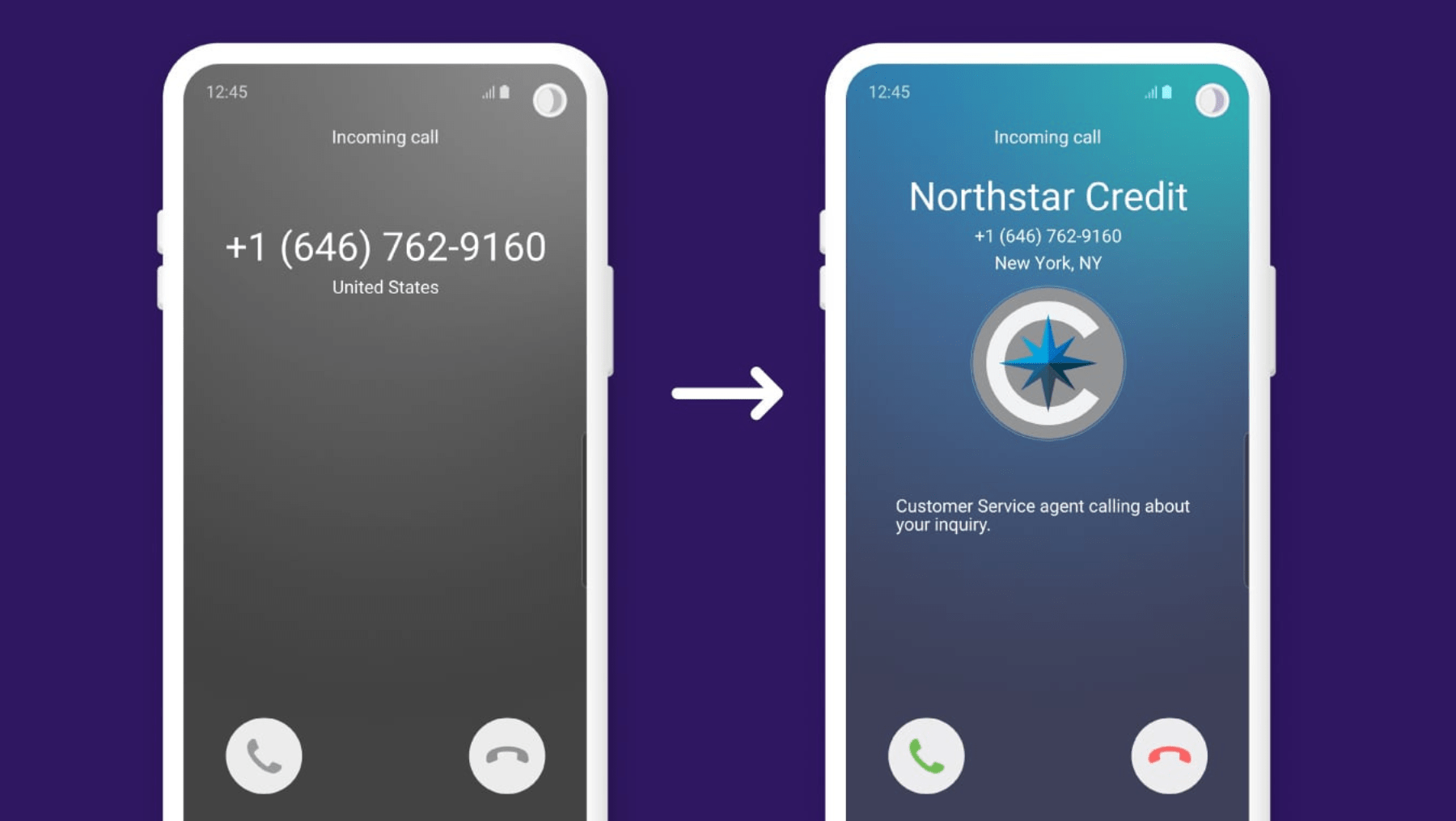
If your outbound calls are going unanswered, it may not be your team. It is your number. Across the UK, trust in phone calls

Most UK businesses are running three, four, sometimes five separate communication tools at once. Phone calls on one platform. Video meetings on another. Messages

According to the NCSC’s research, 87% of UK businesses do not meet the baseline standard for cyber resilience. That is not a statistic about

IT downtime rarely shows up as a single, obvious line on your P&L. There’s no neat figure labelled “lost productivity due to systems failure”

In recent years, many CEOs have found themselves operating in survival mode. Economic uncertainty, rapid technological change, talent challenges and shifting customer expectations have created a

Cybersecurity is no longer just an IT issue, in 2026, it’s a core business risk. For UK organisations of all sizes, cyber threats have become more frequent, more

Artificial Intelligence has rapidly moved from being a futuristic concept to becoming one of the most influential forces shaping modern business. Almost every sector is now

Winning more business is no longer just about a better pitch. It is about how easy you are to work with, how quickly you

Digital transformation has been one of the most overused business terms of the last decade. Yet for all the talk, many organisations still struggle

For many organisations, achieving Cyber Essentials marks a valuable milestone. It protects against the most common cyber threats, reassures clients and insurers, and establishes