



Here’s a pattern most MDs and ops leads will recognise. A supplier pitches a piece of software well. It sounds like exactly what the

For many growing businesses, the way customer calls are handled hasn’t changed much in years. The team may have grown, call volumes may have
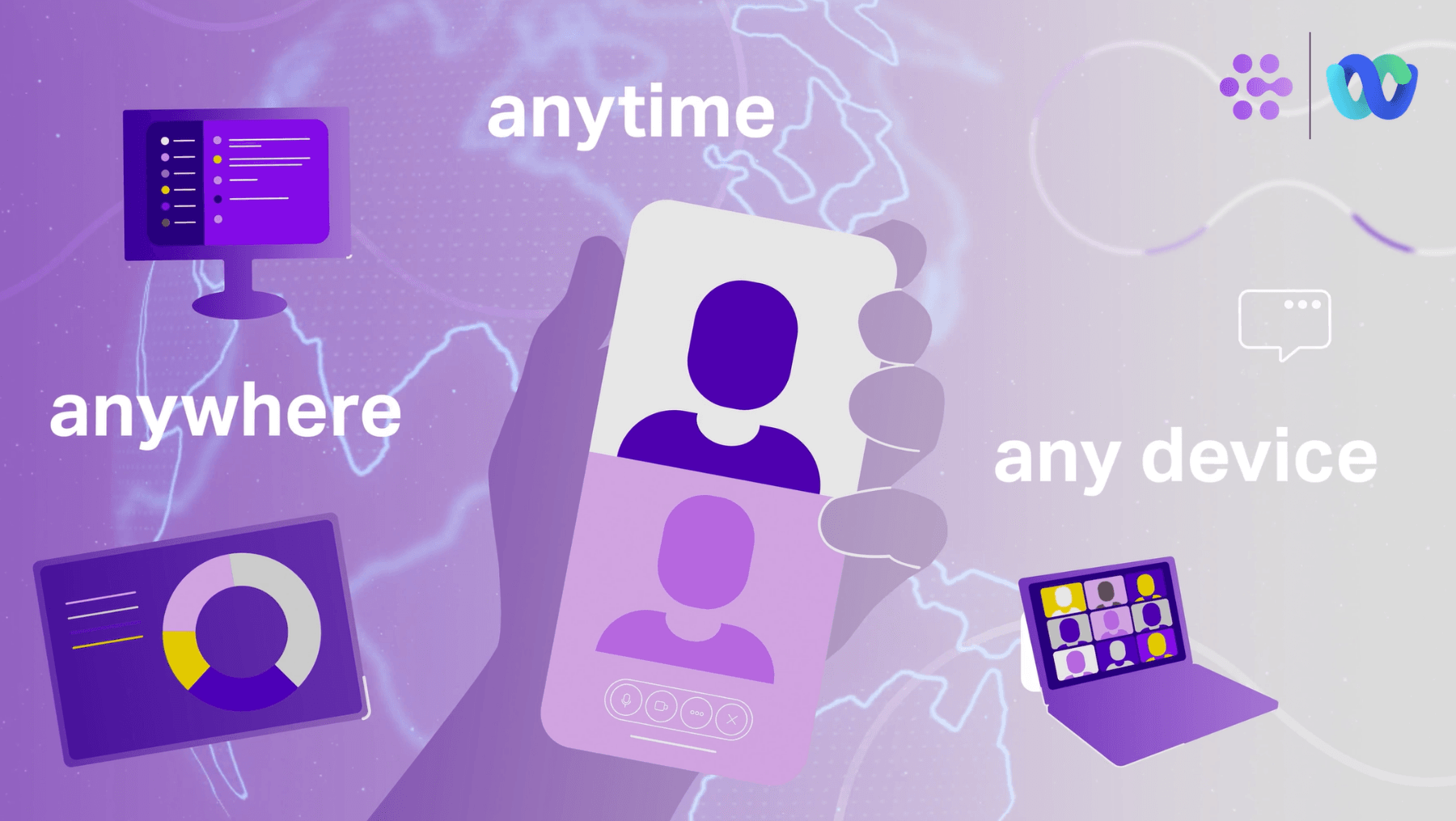
Ask most business owners what phone system they’re on and you’ll often hear the same answer: “Gamma.” Said the way you might name a

When businesses choose a new cloud phone system, the conversation usually starts with features. Can staff make and receive calls from their mobiles? Does

For many UK businesses, the PSTN switch-off still feels like a 2027 problem. The deadline is 31 January 2027, so it can be tempting

If your PSTN migration plan starts with buying a new phone system, you could be missing the bigger picture. The UK’s Public Switched Telephone

AI adoption is picking up fast across UK businesses. So is the number of companies who buy a tool, roll it out, and quietly

Most AI conversations start in the wrong place. A vendor pitches a tool. A demo looks impressive. A budget gets signed off. Then, months

AI is everywhere. But where should your business actually start? If you’ve looked at AI recently, you’ve probably been overwhelmed. Every week there’s a

Most business owners think they know what technology their teams use. Microsoft 365. Teams. A CRM. Job done. Then someone mentions they’re sharing files
Here’s a pattern most MDs and ops leads will recognise. A supplier pitches a piece of software well. It sounds like exactly what the
For many growing businesses, the way customer calls are handled hasn’t changed much in years. The team may have grown, call volumes may have
Ask most business owners what phone system they’re on and you’ll often hear the same answer: “Gamma.” Said the way you might name a
When businesses choose a new cloud phone system, the conversation usually starts with features. Can staff make and receive calls from their mobiles? Does
For many UK businesses, the PSTN switch-off still feels like a 2027 problem. The deadline is 31 January 2027, so it can be tempting
If your PSTN migration plan starts with buying a new phone system, you could be missing the bigger picture. The UK’s Public Switched Telephone
AI adoption is picking up fast across UK businesses. So is the number of companies who buy a tool, roll it out, and quietly
Most AI conversations start in the wrong place. A vendor pitches a tool. A demo looks impressive. A budget gets signed off. Then, months
AI is everywhere. But where should your business actually start? If you’ve looked at AI recently, you’ve probably been overwhelmed. Every week there’s a
Most business owners think they know what technology their teams use. Microsoft 365. Teams. A CRM. Job done. Then someone mentions they’re sharing files