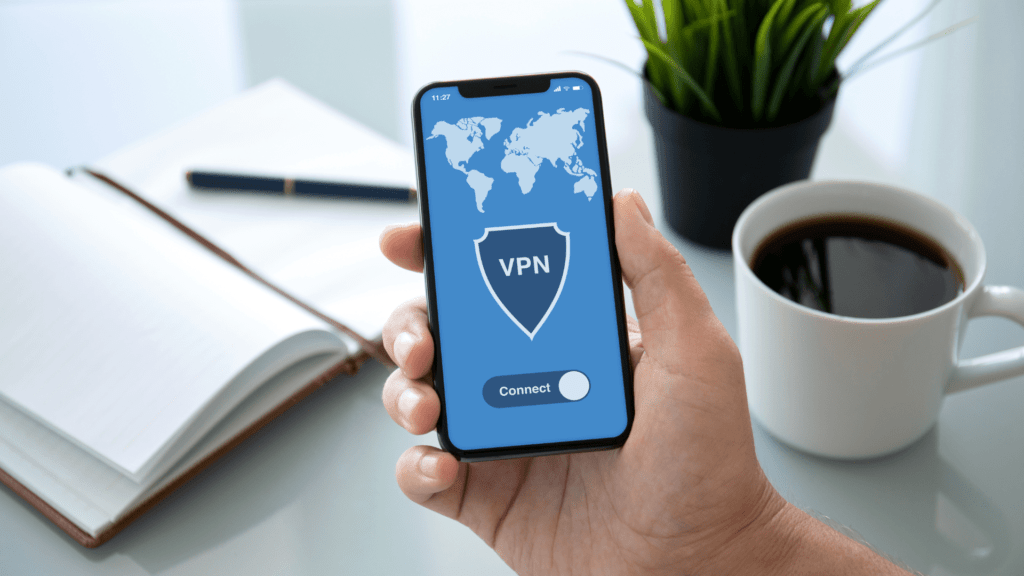

In today’s digital age, protecting your online privacy and security is more important than ever. One tool that can help you do this is a virtual private network (VPN). A VPN encrypts your internet connection, making it more difficult for hackers and other third parties to intercept your data. In this post, we’ll explore the benefits of using a VPN for secure browsing, as well as some important considerations to keep in mind.
Benefits of using a VPN
-
Enhanced privacy: When you use a VPN, your internet service provider (ISP) can’t see what you’re doing online. This means that they can’t track your browsing history or sell your data to advertisers.
-
Improved security: A VPN encrypts your internet connection, making it more difficult for hackers to intercept your data. This is especially important when using public Wi-Fi, which is often unsecured and vulnerable to attacks.
-
Access to geo-restricted content: Some websites and services are only available in certain countries. A VPN can help you access this content by routing your internet connection through a server in the desired location.
-
Avoiding censorship: In some countries, the government censors certain websites and online content. A VPN can help you bypass these restrictions and access the information you need.
Important considerations when using a VPN
While using a VPN can provide many benefits, there are also some important considerations to keep in mind. Here are a few things to think about:
-
Choose a reputable provider: Not all VPNs are created equal. Be sure to do your research and choose a reputable provider with a strong track record of protecting user privacy and security.
-
Be aware of the impact on speed: Because a VPN routes your internet connection through an additional server, it can sometimes slow down your connection. This is especially true if the server is located far away from your physical location.
-
Use other security measures: While a VPN can help protect your data from interception by third parties, it’s important to use other security measures as well. For example, be sure to use strong passwords, keep your software up to date, and be cautious when clicking on links or downloading files.
There are four main types of Virtual Private Networks (VPNs) available: personal VPNs, remote access VPNs, mobile VPNs, and site-to-site VPNs.
- Personal VPNs are used to create secure and private connections to the open internet, as well as for bypassing firewalls and geographic internet restrictions.
- Remote access VPNs enable employees to access their company’s private network when traveling or working from home.
- Mobile VPNs are used when the employee doesn’t have a consistent or stable internet connection.
- Site-to-site VPNs are used when there are multiple sites or multiple companies trying to connect to a single private network.
Each type of VPN has its own specific use cases and can provide different benefits depending on your needs.
In conclusion, using a VPN can provide many benefits for secure browsing, but it’s important to keep these considerations in mind as well. By choosing a reputable provider and being mindful of online threats, you can help protect your privacy and security while browsing the internet.
In recent years, many CEOs have found themselves operating in survival mode. Economic uncertainty, rapid technological change, talent challenges and shifting customer expectations have created a
Cybersecurity is no longer just an IT issue, in 2026, it’s a core business risk. For UK organisations of all sizes, cyber threats have become more frequent, more
Artificial Intelligence has rapidly moved from being a futuristic concept to becoming one of the most influential forces shaping modern business. Almost every sector is now
Winning more business is no longer just about a better pitch. It is about how easy you are to work with, how quickly you
Digital transformation has been one of the most overused business terms of the last decade. Yet for all the talk, many organisations still struggle
For many organisations, achieving Cyber Essentials marks a valuable milestone. It protects against the most common cyber threats, reassures clients and insurers, and establishes
The unseen side of the internet Most business leaders are familiar with the internet they use every day: websites, emails, social platforms, and cloud
The IT Gap: When “Good Enough” Isn’t Enough Many small and medium-sized businesses rely on traditional IT support to keep things running. It’s a
4th Platform Partners with WatchGuard to Deliver FireCloud: Stronger Security, Less Effort Protect every worker, everywhere 4th Platform has partnered with WatchGuard to bring
The recent cloud outage at AWS, which caused downtime, data unavailability and shaken confidence, is a timely wake-up call for organisations of every size.